Author: Steve Gooch

With a background as a noted artist printmaker and sculptor and working with some of the leading visual artists of his generation, Steve moved into international education at the turn of the millennium, having a radically transformative and expansive impact on the art hubs under his watch in Egypt, Sudan, and Saudi Arabia. Passionate about his own personal and spiritual development he undertook studies and training in several spiritual disciplines and pursued interests in esoteric Buddhism, inter-religious studies, philosophy, and meditation. Steve has written three books: ‘Reiki Jin Kei Do: The Way of Compassion & Wisdom’, ‘Mindfulness Meditation & The Art of Reiki’ and ‘Manifesting Abundance with Reiki’, and is considered one of the leading authorities in this field. The perspective that he pursues through all three books is a radical departure from the mainstream interpretations of this subject. He is regularly invited for interviews and speaking engagements on the topic of Reiki and personal, spiritual development. In recent years he has been focused on developing his visual arts practice, meditation-based and spiritually focused courses, retreats, and workshops, offering them across the UK, Egypt, Cyprus, Jordan, and parts of Eastern Europe. He is now widely considered to be one of Egypt’s leading personal development coaches, working with celebrities, politicians, and media stars in the north African country. He routinely works as a coach with some of the leading fashion houses in Saudi Arabia.
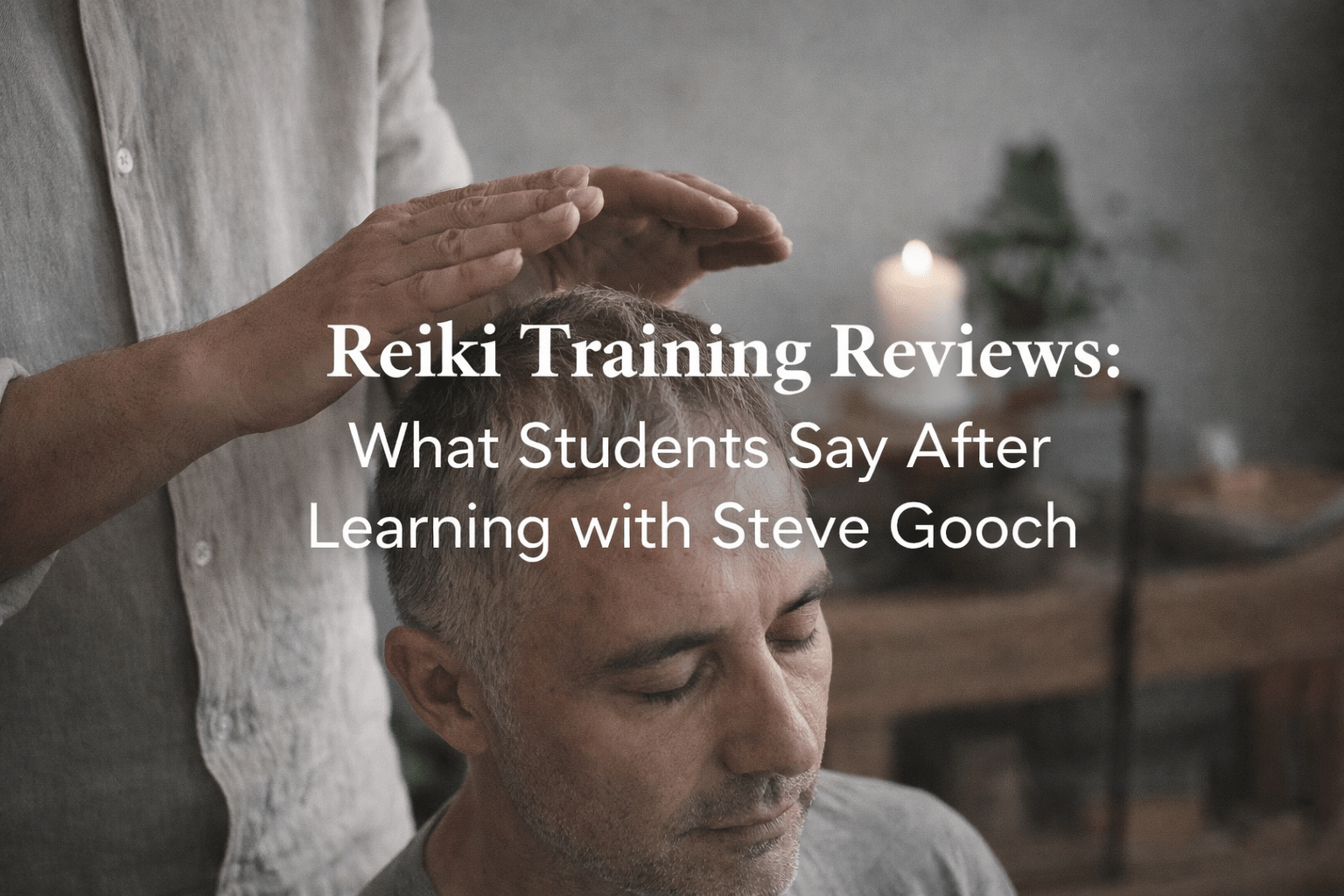
Hands giving Reiki over someone's head with the words, 'Reiki Training Reviews' over the top - this is a title card Jan 19, 2026

Reiki Training Reviews: What Students Say After Learning with Steve Gooch

People researching Reiki training are often trying to answer a very practical question. Not whether Reiki is meaningful, but whether a particular teacher and training approach are grounded, coherent, and worth committing to. The testimonials below come from students who trained with Steve Gooch at different stages of their Reiki journey. Some were new to Reiki. Others had trained elsewhere first. Some speak from decades of experience. All are shared exactly as written, without interpretation or embellishment.

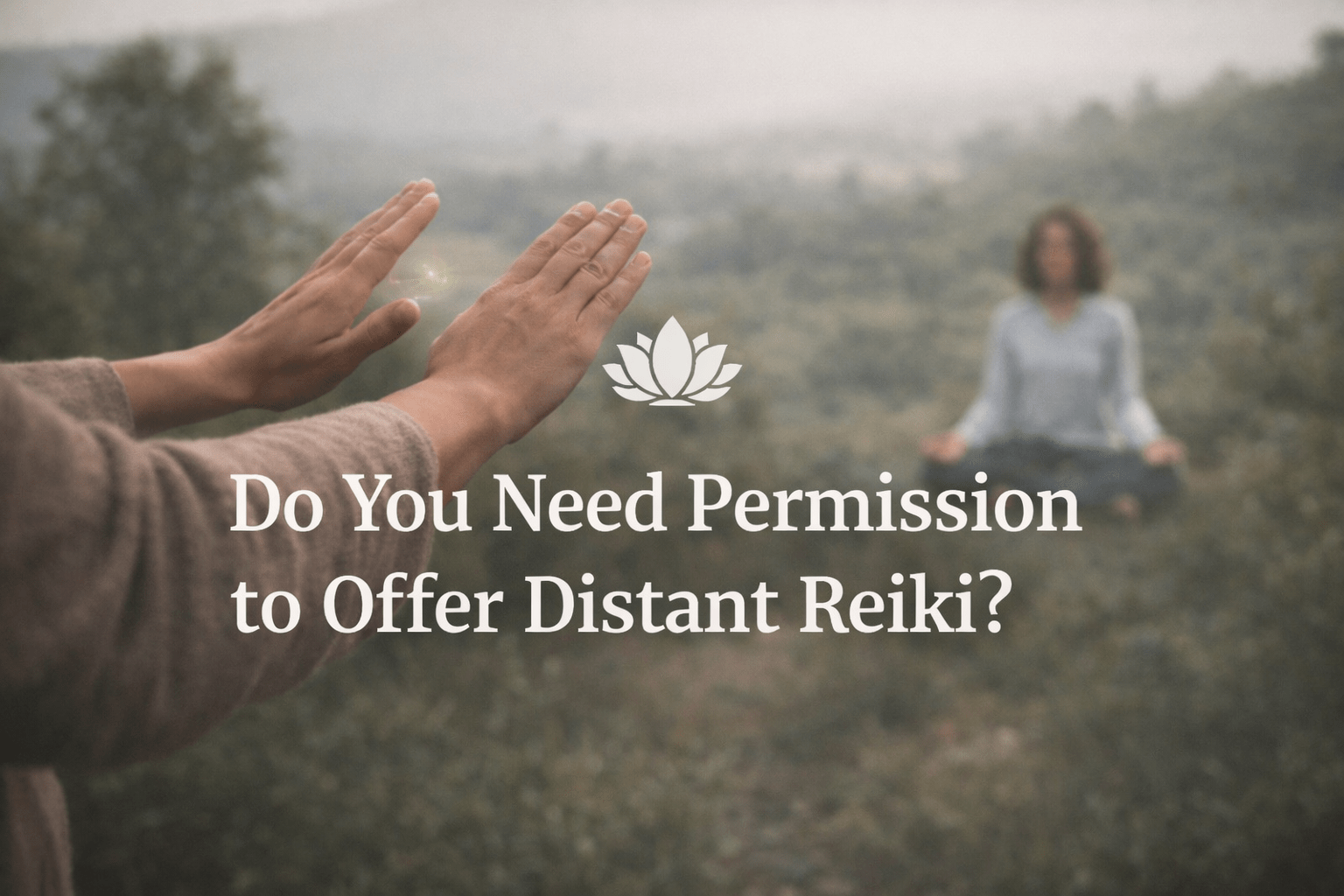
Someone doing distant Reiki with the words do you need permission to do distant reiki overlayed on top Jan 12, 2026

Do You Need Permission to Offer Distant Reiki?

Permission is not required to offer distant Reiki. In Reiki, the recipient draws the energy, the practitioner does not push it into them. If the person’s system does not draw Reiki, nothing is imposed and nothing “gets in”. The only time someone’s system does not draw Reiki is when they have passed away. The reason this topic creates debate online is that people often mix Reiki up with other intention led or directed energy practices, then apply the same consent logic to both.

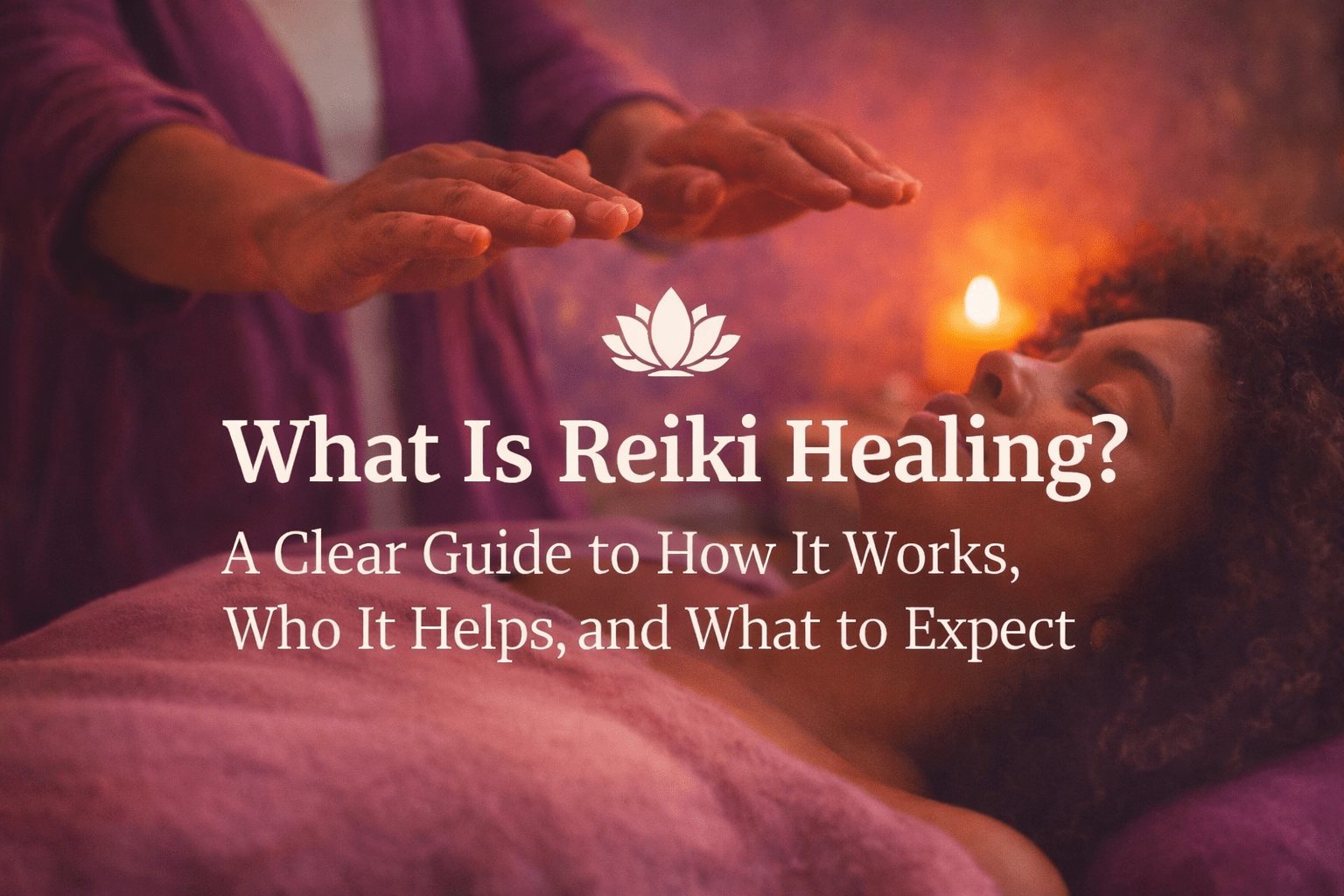
What is Reiki healing? An in depth look at this hands on energy healing practice. Jan 5, 2026

What Is Reiki Healing? A Clear Guide to How It Works, Who It Helps, and What to Expect

Reiki healing comes up frequently in conversations about wellness, yet many people are unsure what it is or what it involves. Reiki healing is an energy-healing discipline where the practitioner places his or her hands directly on or just off the body of the person receiving the healing experience. At its foundation, Reiki is a structured practice that works with the person’s natural ability to find balance: physically, emotionally, mentally, and spiritually. Reiki, in fact, creates the conditions where natural healing processes can unfold more easily, on all levels of being.

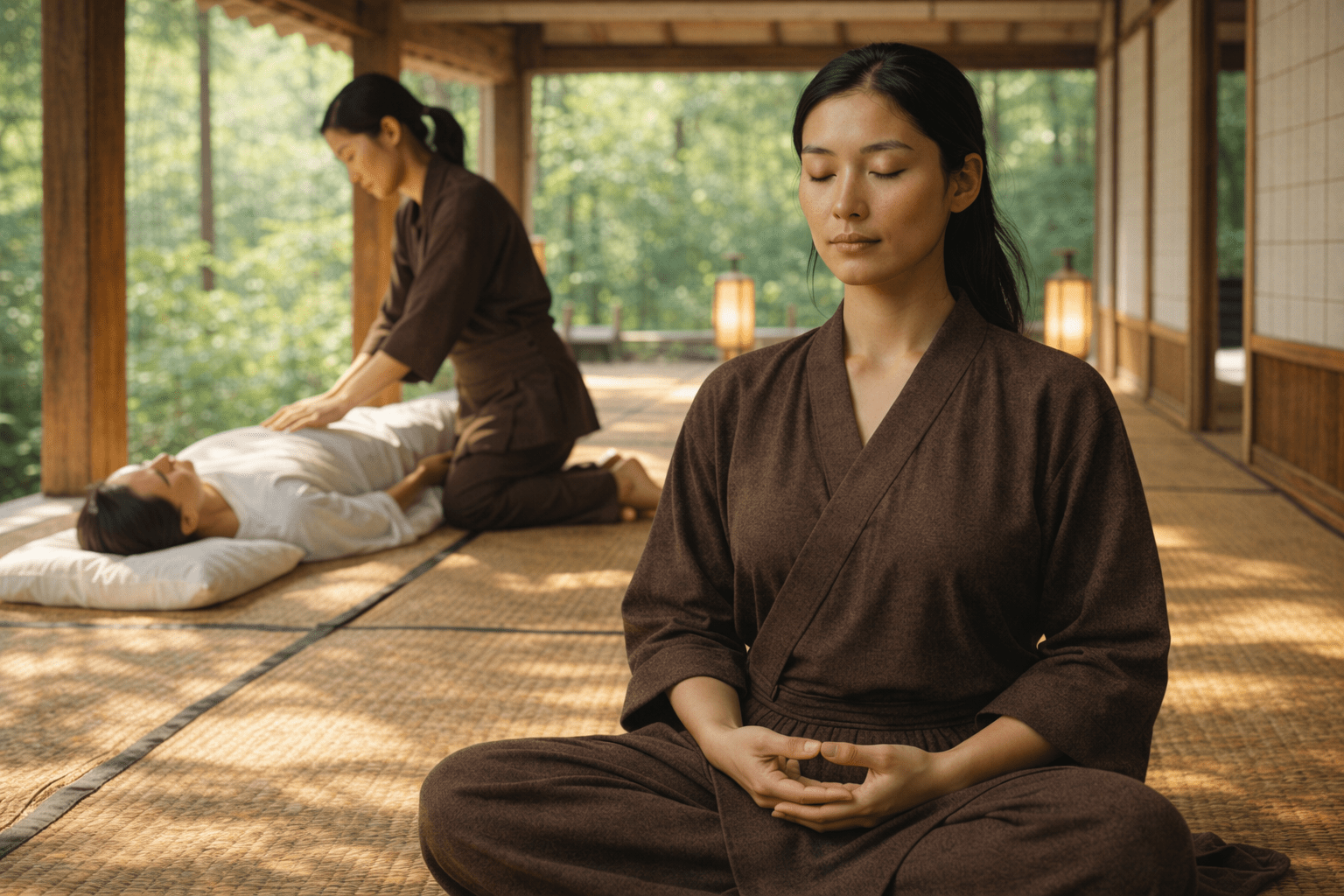
The best Reiki training: meditation as shown by the woman in the foreground, combined with treatment work, as shown by the couple at the back involved in a Reiki treatment Dec 29, 2025

Best Reiki Training: 5 Signs of a High-Quality Course (+ Red Flags to Avoid)

A Guide for the Intentionally Curious If you’re searching for the best Reiki training, this guide will help you make an informed and aligned choice. Whether you’re just beginning to explore Reiki or ready to take your next step, this guide helps you assess the training landscape with clarity and confidence. Still, with so many different approaches available, it’s natural to wonder: How do you choose a Reiki training that truly aligns with your goals, including price and value? For example, some systems prioritise accessibility and speed, whereas others focus on deep integration and long-term spiritual growth. Ultimately, no single path is “right” for everyone, only the one that fits your journey. To assist you in this process, this article offers five clear pillars of a high-quality Reiki system in addition to a practical comparison of different training options, so you can make an informed and aligned choice. Importantly, not all Reiki systems share the same purpose. For instance, some focus on flexible self-paced learning, like Udemy or ICRT. In contrast, others, such as Jikiden Reiki, emphasise traditional Japanese healing techniques. Meanwhile, deeper paths like Reiki Jin Kei Do or the International House of Reiki offer structured, meditative training designed for long-term personal growth and spiritual development. As a result, this guide helps you match the system not just to your schedule, but to your values and direction. Summary: How Do We Define ‘The Best Reiki Training’? Let’s explore these in more depth. 1. Lineage: Where Do the Teachings Come From? What you’re learning should be grounded in consistent, time-tested practices. Moreover, a clear lineage also reveals the philosophical direction of the system, something that can vary significantly between traditions. For example: Therefore, when looking for the best Reiki training, it’s wise to ask: “How has the system evolved over time?”“Who taught your teacher?” 2. Personal Practice: Is Inner Work Central? The most meaningful Reiki systems are not just about helping others; they support your own transformation first. Depth-oriented approaches typically include: In Reiki Jin Kei Do, meditation is integrated from the very beginning. Similarly, the International House of Reiki places strong focus on the inner dimension, treating the Reiki precepts as daily contemplative anchors. Ask yourself: Does this system help me become more conscious, balanced, and present in everyday life? 3. Structure: Is There Time to Absorb and Integrate? Reiki is not something to rush. A high-quality system usually includes: For example: Ask: Will this training give me time to embody the practice, or just complete it? 4. Philosophy: What Is the Deeper Orientation? Every system carries a worldview. Some centre on intuitive exploration and spiritual archetypes. Others focus on presence, discipline, and self-inquiry. Compare these: The question to ask is: What qualities will this system help me develop, not just what techniques will I learn? 5. The Teacher: Do They Walk the Path? A teacher’s presence can be more important than their content. You’ll likely benefit from someone who: Ask yourself: Does this teacher embody what they teach, and would I feel supported by them beyond the course itself? Awareness Points: What to Be Mindful Of Not all training models are designed to support depth and integration. If your goal is transformation rather than just certification, here are a few important things to watch for: These formats aren’t necessarily “wrong”, but if you’re seeking spiritual depth and real inner change, they may not support that journey. To see how different training approaches land in real life, you can read Reiki Training Reviews: What Students Say After Learning with Steve Gooch. Interview Guide: Questions to Ask a Potential Teacher Here are some empowering, respectful questions to help you vet your options: About the Course What About the System? Not Forgetting the Teacher Comparison Snapshot: Different Systems, Different Strengths Final Reflection: The Best Reiki Training? There’s no universal “best system”, rather, it’s about finding the one that best aligns with what you want from Reiki. If, for instance, you’re drawn to meditation, self-awareness, lineage, and a path of deep integration, then systems like Reiki Jin Kei Do or the International House of Reiki may be your natural fit. Alternatively, if you’re simply curious or want to explore intuitive energy work, flexible self-paced options may serve you well. In the end, you should ask yourself: Do I want to learn Reiki… or live it? The best Reiki training is the one that works for you. Related Articles: Why Reiki Training Costs Vary So Widely Is Reiki Jin Kei Do the Right Fit for You? How Reiki Jin Kei Do Compares to Other Reiki Systems Online Reiki Training vs In-Person Reiki: What Actually Makes the Difference? Reiki Training Reviews: What Students Say After Learning with Steve Gooch Other ways to stay connected: Subscribe to Energy, Consciousness & The Self newsletter Join The Abundant Mind Facebook Group

May 26, 2025

Reiki and Spiritual Awakening: A Path to Deeper Connection and Clarity

Discover how Reiki goes beyond relaxation to support true spiritual awakening. This blog explores the deeper purpose of Reiki as a meditative, transformative path—one that reconnects you with your inner clarity, intuition, and sense of purpose. Perfect for those ready to explore Reiki not just as energy healing, but as a powerful gateway to conscious living and personal evolution.

May 19, 2025

Spiritual Awakening Symptoms and Grounding Techniques: How to Stay Balanced During Transformation

Feeling ungrounded during a spiritual awakening is more common than you might think. As old patterns rise to the surface and energy shifts, it can feel like life is moving too fast or not making sense. This blog explores the signs of spiritual awakening and offers simple grounding techniques to help you stay centred and balanced. From breathwork to barefoot connection, these practices can bring you back to the present moment, allowing the transformation to land without feeling overwhelming.

May 12, 2025

Spiritual Awakening Symptoms: What Real Transformation Feels Like Beyond Mindset Shifts

Feeling like your life is shifting but nothing outwardly has changed? That unsettling, in-between space can signal a spiritual awakening. It’s a quiet, persistent knowing that the old ways of moving through the world no longer fit. Spiritual awakening symptoms often show up subtly — sudden waves of energy, intense emotions, or feeling disconnected. Dive into what these signs mean, why mindset work alone isn’t enough, and how to navigate the transformative process.

May 5, 2025

7 Ways to Make Your Personal Transformation a Spiritual Awakening

Personal transformation doesn’t end with insight. It deepens when you start living what you already know. This blog explores seven ways to move beyond self-improvement and into spiritual awakening, where change becomes something embodied, not just understood. It’s not about fixing more. It’s about living from the version of you that’s already whole. If you’re ready to stop circling the work and start living it, this is your next step.

May 2, 2025
Apr 28, 2025

Spiritual Intelligence: The Key to Transformation Beyond Mindset

Spiritual intelligence is the deeper layer of transformation that begins where mindset work ends. It’s not about fixing or reframing, it’s about returning to the part of you that already knows. Inside The Abundant Self, we guide you beyond thought, into open awareness and the quiet intelligence that aligns you with your core nature. This isn’t about becoming someone new. It’s about coming home to who you’ve always been.